Published October 28, 2019
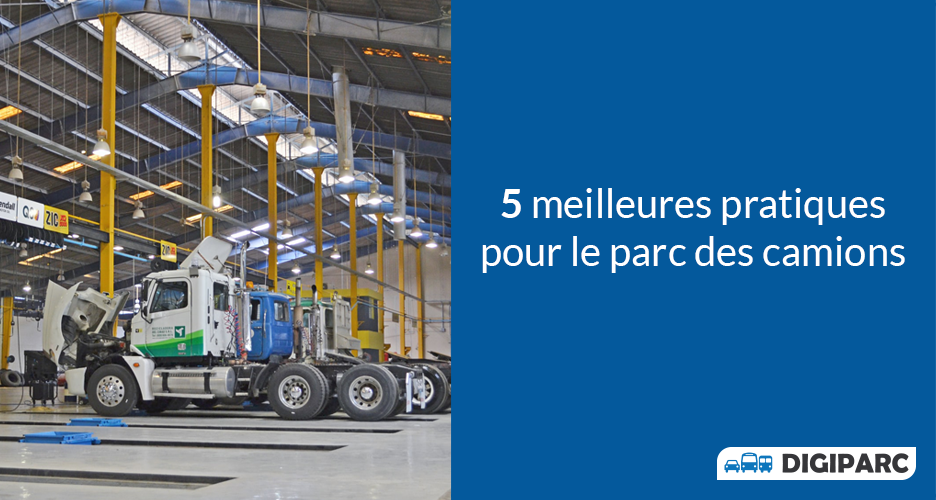
5 best practices for the truck fleet
In order to reduce the idle time of each truck within the fleet, it is necessary to deploy a fleet management strategy focused on the exploitation of data and efficient management.
Truck fleet management solutions
Regardless of the weight of the machine, light or heavy, trucks often transport your customers' goods, it is therefore essential to ensure that you deliver to your customers in the best conditions and also ensure that the lifespan of each truck in the fleet is maintained to avoid breakdowns.
That being said, many truck fleets have downtime issues because their vehicle fleet is spread over long distances and breakdowns can occur at any time, especially without a proper maintenance plan.
To avoid unplanned breakdowns and keep track of maintenance tasks, it is important to have a simple and comprehensive way to track and manage your truck fleet.
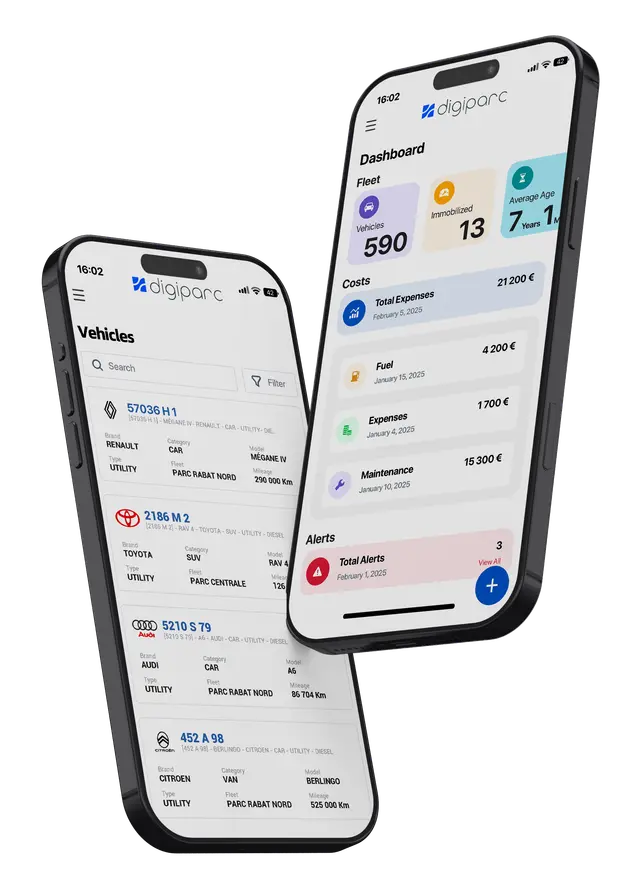
Digiparc fleet management software provides you with the tools to manage every aspect of your fleet, from maintenance and inspections to driver management and cost analysis.
Below, we've listed some of the best practices to implement into your truck fleet management strategy.
1. Continue with preventive maintenance tasks
The first step to avoiding downtime is ensuring your trucks are maintained properly and at regular intervals. Sometimes simple maintenance tasks, such as oil changes and tire rotations, are missed for long periods of time, which can lead to costly repairs.
To keep up with regular maintenance tasks, it is important to have a preventive maintenance program in place to track maintenance operations, maximize vehicle life and avoid downtime.
With fleet management software, you can set mobile reminders based on meter readings and driving time intervals to ensure your trucks never miss regular maintenance.
If you outsource your maintenance, like many other truck fleets, automating maintenance management allows you to manage repair requests, set automatic authorizations, and get your vehicles back on the road faster.
2. Monitor fuel consumption with fleet fuel cards
Trucks use quite a bit of gas, and fuel is the biggest expense of any fleet. Tracking fuel costs is one of the best ways to manage costs.
Unfortunately, many truck fleets are still trying to keep up with paper receipts and manually entering fuel data.
Integrating fleet fuel cards with fleet management software is a great way to easily access all fuel data in one centralized location.
By connecting your fuel card to your fleet management software, you have up-to-date data by downloading all transactions daily. This rapid access to data reduces the risk of critical issues and discrepancies being overlooked for weeks or months.
3. Capture vehicle data with telematics
Maintaining visibility of your assets can be difficult, even more so when your trucks are spread across multiple cities.
To effectively track your drivers and receive updates on your assets, consider integrating your telematics device with your truck fleet management software. This information can provide you with crucial insights into the safety and compliance of your drivers and assets.
Telematics also allows you to receive accurate and instant odometer readings.
4. Vehicle Inspection
Regular inspections help detect problems and pass the information to fleet managers to begin the maintenance process.
Many truck fleets still rely on paper to track maintenance, which can cause delays in the maintenance process. Paper inspections are time-consuming for drivers and the results are often unfounded, leading to further delays.
5. Calculate TCO
Controlling expenses is an ongoing challenge for fleet managers. Truck fleets are among the most expensive of all fleets and controlling your true TCO is critical to your fleet's success.
Knowing your fleet TCO gives you insight into your fleet trends and helps you track your spending to make data-driven decisions about your fleet. Many fleet managers and owners struggle to track TCO manually, which can lead to missed opportunities and unnecessary expenses.
With Digiparc, the calculation of your TCO is done automatically by compiling fleet data into easy-to-read reports, which eliminates the problems related to managing the figures.