Published January 9, 2023
How to integrate a fleet management ERP into your existing business
.jpg "Comment intégrer un ERP de gestion de flotte dans votre entreprise existante")
Integrating an enterprise fleet management (ERP) system into your existing business can be a challenge, but it's worth it for the benefits it brings in terms of efficiency and profitability.
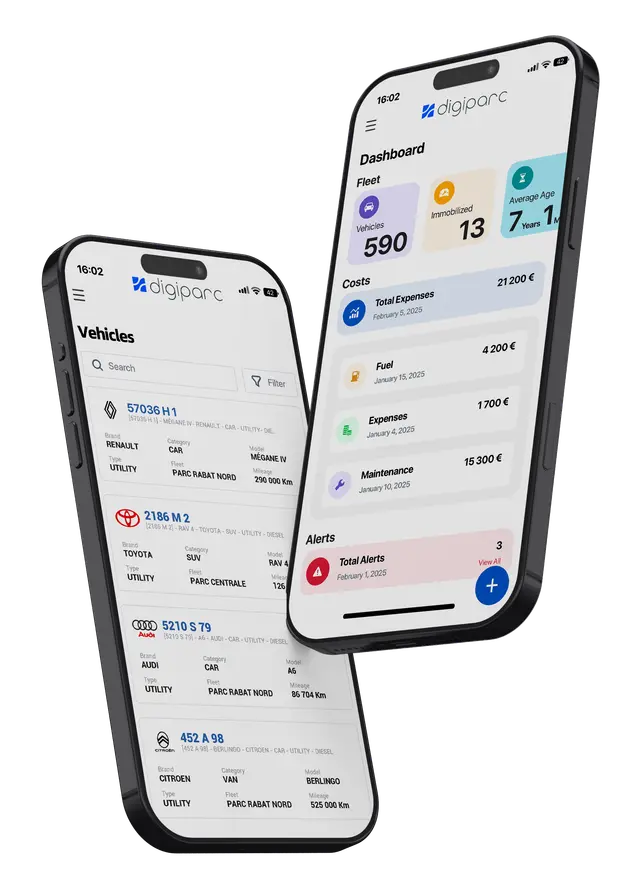
To begin, it is important to understand what a fleet management ERP is. It is software that helps manage aspects of your company's fleet, such as vehicle management, maintenance scheduling, driver management and fleet costs. It can also include features like fuel management, outage management, and expense management.
The first step to integrating a fleet management ERP into your existing business is to define your company's fleet management needs. This should include an analysis of current fleet management processes, key elements to monitor, current challenges and goals to achieve. It is also important to define the key users of the system and understand their role in fleet management.
Once the needs are defined, you can start looking for a fleet management ERP that suits your business. It is important to choose a system that suits the size of your business and your specific needs. It is also important to ensure that the system is compatible with your company's existing systems.
Once you have chosen a system, it is important to carefully plan the implementation. This includes key user training, system configuration and migration of existing data. It is also important to have procedures in place to ensure data security and to ensure business continuity in the event of a problem.
Once the system is in place, it is important to monitor the performance of the system and adjust it according to business needs. This may include adding new features, updating data, and creating reports to track performance. It is also important to continue training users to ensure they are using the system effectively.