Published August 17, 2023
Exploration des fonctionnalités essentielles d'un logiciel de gestion de flotte et de transport

In the complex world of fleet and transportation management, using dedicated Enterprise Resource Planning (ERP) software can make all the difference. These computerized systems offer a wide range of specific functionalities to optimize operations related to vehicles, drivers and logistics activities. In this article, we will explore the essential features of a fleet and transportation management ERP software.
1. Vehicle Management
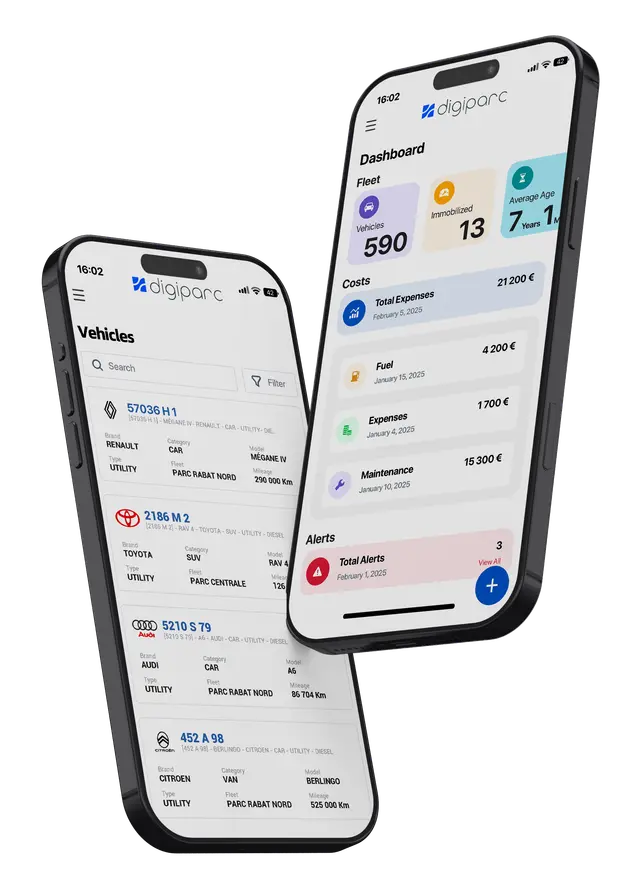
A key element of fleet management ERP software is the ability to efficiently manage all of the company's vehicles. This includes collecting and tracking basic information about each vehicle, such as model, make, registration number and specific features. This data provides a comprehensive overview of the company's vehicle fleet.
2. Real-Time Tracking
The real-time tracking feature is crucial for monitoring vehicle location and ongoing activities. Using technologies like GPS and telemetry, ERP software can provide real-time updates on vehicle locations, routes taken, and any delays. This allows for rapid decision-making and response to unforeseen circumstances.
3. Driver Management
A good fleet management ERP software also supports driver management. It can store drivers' personal and professional information, including licenses, certifications and work schedules. This helps assign drivers to vehicles efficiently and track their driving and rest hours in accordance with current regulations.
4. Route Planning
The route planning feature optimizes vehicle routes for maximum efficiency. By taking into account factors such as distance, traffic congestion, customer preferences and delivery points, the software can generate shorter and faster routes. This reduces operational costs, travel time and environmental impact.
5.Maintenance Management
Fleet management ERP software helps track maintenance schedules and servicing needs for each vehicle. It can automate reminders for regular inspections, oil changes and other preventative maintenance tasks. This ensures vehicles are in good working order, reducing the risk of breakdowns and unplanned downtime.
6. Inventory Management
For transportation and logistics companies, inventory management is crucial. ERP software can track inventory levels of materials, spare parts, and equipment needed for operations. This ensures that supplies are sufficient to meet demand and avoids delays due to material shortages.
7. Accounting Integration
Accounting integration is an important feature of ERP software. It helps track costs associated with fleet management, such as fuel expenses, maintenance costs, driver salaries and administrative costs. This data is essential for assessing profitability and making informed financial decisions.
8. Data Analysis
Fleet management ERP software collects a large amount of data. Analyzing this data provides valuable insights into operational performance. Trends, fuel consumption patterns, frequent downtime and other metrics can help identify areas of improvement and optimize processes.