The global spread of the coronavirus is a tragic event bringing uncertainty and many complications. The economic impact of this pandemic is now being felt through multiple channels and affecting several sectors of activity, in particular the logistics and transport sector.
As we continue to serve and support our customers, in this article we will explore some of these implications and how preparation can mitigate the downside.
The implications of coronavirus on fleet management
Today, the majority of transportation companies are facing a drop in demand, as this global pandemic creates uncertainties, which has led government and public health authorities to act to mitigate its spread.
Due to the vast spread of viruses and the lack of containment, its strong evolution has disrupted our daily functioning. It slowed production, limited gatherings and shook the global economy.
The economic setback can be felt by businesses almost immediately. When it comes to COVID-19 and fleet management, being preventative rather than reactive will reduce lineup issues and provide the desired peace of mind.
For fleet managers, this is a time of concern that requires solutions to clarify transportation operations, prudent safety measures and a detailed understanding of expenses.
With a globally connected economy, the coronavirus has impacted the supply chain. The supply of goods has contracted significantly due to the shutdown of production, which logically explains that the trucking capacity to ship and deliver goods will decrease, thus the freight rate may vary with the current increasing demand for certain goods. However, this change will be beneficial for fleets whose services are running very well despite the virus.
Indeed, concerns persist in the fleet industry about a reduction in work. Construction jobs could slow due to tightening budgets of potential clients, and service fleets could potentially experience shutdowns due to demand.
There are also downsides to supply chain constraint for many fleets. The importance of maintaining appropriate inventory levels is amplified. Necessary parts and tools may experience shipping delays. Additionally, you need to ensure that you are stocked with adequate parts to withstand a potential delivery delay.
To prevent the risk of stock shortages, inventory management software is the most reliable and effective solution. You will have an overview of all your inventory levels and associated costs. You can create custom alerts to notify you when critical inventory levels are approaching to combat out-of-stocks. This can be automated and managed from anywhere and from any device.
Take a proactive approach to combating downtime
During this unsettling time, business demand may temporarily slow, regardless of the industry your fleet operates in.
To make the most of this current crisis, take the opportunity to focus on the efficiency of your business. Regardless of the impact of COVID-19, your assets are the lifeblood of your organization.
Your approach to fleet management should always be proactive, not reactive. This goes beyond maintenance and expense control and includes your preparations for your team during a crisis.
Any slowdown or interruption in daily operations allows you to assess maintenance needs and potentially perform preventative maintenance ahead of schedule. When we return to a somewhat normal situation, you will be ready to send your fleet out knowing that the assets are operating at full capacity.
Prepare and protect employees
Safety and risk prevention are the main priorities of any business. Driving a vehicle in this current situation is a dangerous task and the existential threat of COVID-19 only adds to it.
Sanitation and cleanliness are two safety measures that lead to sustainability and reduce unnecessary risks.
Work environments should always minimize risks and provide sanitation facilities to meet all workers' needs.
If your operations teams meet with a customer or supplier, make sure they have the necessary equipment, such as gloves, masks, sanitary wipes and other protective clothing.
Encourage good hygiene and ensure "operators have the necessary sanitation supplies to disinfect their vehicles before and after use. This includes touch points like dashboards, controls, steering wheels and handles. This should be included in their daily vehicle inspection reports. Standardizing these measures will help combat the spread of any virus, now or in the future. Remember, the best defense is a good offense.
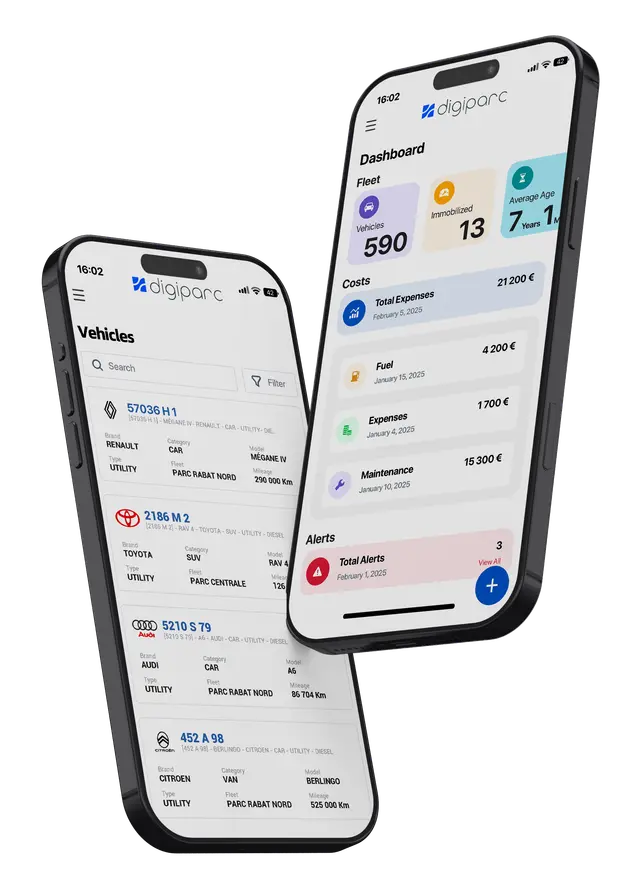
It’s more important than ever for your customers to trust you and your brand. Your service must be reliable, on time and fully delivered. DIGIPARC provides you with the tools you need to optimize the use of your assets and cope with the circumstances we are currently facing. Certainly, our system which is cloud-based only requires login credentials, so you are not tied to a desktop computer and can access your fleet dashboard from anywhere, or even work from home.