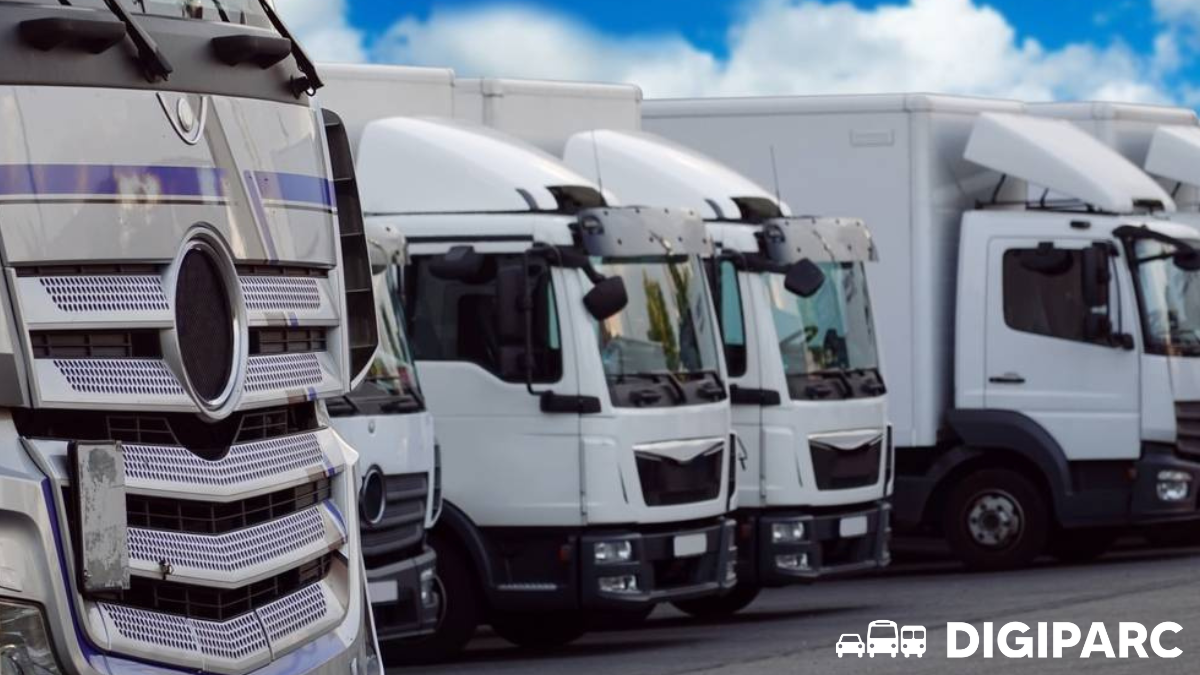
Les dernières décennies ont été marquées par une transformation radicale dans la demande de transport, façonnée par l'évolution des habitudes de consommation, l'émergence du commerce électronique et la prise de conscience croissante des enjeux environnementaux. Ces changements ont des implications profondes sur les systèmes logistiques mondiaux, obligeant les entreprises à repenser leurs stratégies pour s'adapter à un paysage en constante évolution.
1. Évolution des habitudes de consommation
L'avènement du commerce électronique a considérablement modifié la manière dont les consommateurs accèdent aux biens et services. La demande de livraisons rapides et flexibles a explosé, entraînant une pression accrue sur les chaînes d'approvisionnement et les services de transport. Les entreprises doivent désormais être capables de répondre rapidement aux attentes des clients, tout en maintenant l'efficacité et la rentabilité de leurs opérations logistiques.
2. Impacts du commerce électronique sur la logistique
Le commerce électronique a radicalement changé la donne en matière de logistique. Les entreprises sont confrontées à des volumes de commandes sans précédent, nécessitant des solutions innovantes pour la gestion des entrepôts, la préparation des commandes et la livraison. L'automatisation des entrepôts, l'utilisation de la robotique et la mise en place de technologies de suivi en temps réel sont devenues des éléments clés pour répondre à cette nouvelle donne.
3. Contraintes environnementales et durabilité
L'urgence climatique a amené les entreprises à reconsidérer l'impact environnemental de leurs activités logistiques. Les pressions pour réduire les émissions de carbone ont conduit à l'exploration de solutions plus durables telles que l'utilisation de véhicules électriques, l'optimisation des itinéraires pour réduire les kilomètres parcourus, et l'investissement dans des emballages écologiques. Les entreprises qui intègrent des pratiques durables dans leur chaîne d'approvisionnement peuvent bénéficier d'une image positive et répondre aux attentes croissantes des consommateurs en matière de responsabilité environnementale.
4. Utilisation de données prédictives pour anticiper la demande
La capacité à anticiper les fluctuations de la demande est devenue cruciale. Les entreprises investissent massivement dans l'analyse de données pour prévoir les tendances, optimiser leurs niveaux de stock et planifier efficacement leurs opérations. L'intelligence artificielle et l'apprentissage automatique sont de plus en plus utilisés pour analyser d'énormes ensembles de données et fournir des insights précieux qui permettent aux entreprises de prendre des décisions éclairées.
5. Adaptation des infrastructures de transport
Les changements dans la demande de transport exigent également une adaptation des infrastructures. Les gouvernements et les entreprises investissent dans l'amélioration des réseaux routiers, ferroviaires et maritimes pour accueillir un volume croissant de marchandises. La modernisation des infrastructures de transport est essentielle pour éviter les congestions, réduire les temps de transit et améliorer l'efficacité globale du système.
En conclusion, l'impact des changements dans la demande de transport est multidimensionnel. Les entreprises doivent être agiles pour s'adapter aux évolutions rapides des habitudes de consommation, tout en répondant aux impératifs de durabilité. La capacité à intégrer des technologies innovantes, à anticiper la demande et à adapter les infrastructures de transport sera déterminante pour assurer le succès des entreprises dans un environnement logistique en constante mutation.