Published January 19, 2023
The importance of fleet management
Fleet management is an essential aspect of running a successful business, regardless of the industry. It involves the efficient use of vehicles and other assets to achieve optimal performance, reduce costs and improve customer satisfaction.
Effective fleet management can bring many benefits to a business, including:
Reduced operating costs:
By tracking vehicle usage and maintenance schedules, fleet managers can identify ways to reduce costs and improve efficiency. This may include reducing fuel consumption, streamlining routes and identifying opportunities for group purchasing of supplies.
Improved customer service:
Fleet management software can help businesses optimize routes and schedules, ensuring vehicles arrive on time and customers receive the service they expect.
Better security:
Good fleet management can help reduce the risk of accidents and injuries by ensuring vehicles are well maintained and drivers are trained and follow safety regulations.
Improved productivity:
By using fleet management tools to track vehicle usage and optimize routes, businesses can reduce downtime and ensure vehicles are used to their maximum potential.
Better use of assets:
Fleet managers can use software to track the usage and availability of their assets, ensuring they are used as efficiently as possible.
Effective fleet management is based on several key elements, including the following:
Acquisition of vehicles:
This involves selecting the right vehicles for the needs of the business, taking into account factors such as cost, capacity and fuel efficiency.
Vehicle maintenance:
Regular maintenance is essential to ensure vehicles run smoothly and efficiently. Fleet managers should establish a preventive maintenance schedule and track the performance of each vehicle to identify any potential issues.
Driver management:
Fleet managers must ensure that drivers are properly trained and licensed, and that they follow safety regulations. This may include implementing a driver monitoring program or providing ongoing training and support.
Route optimization:
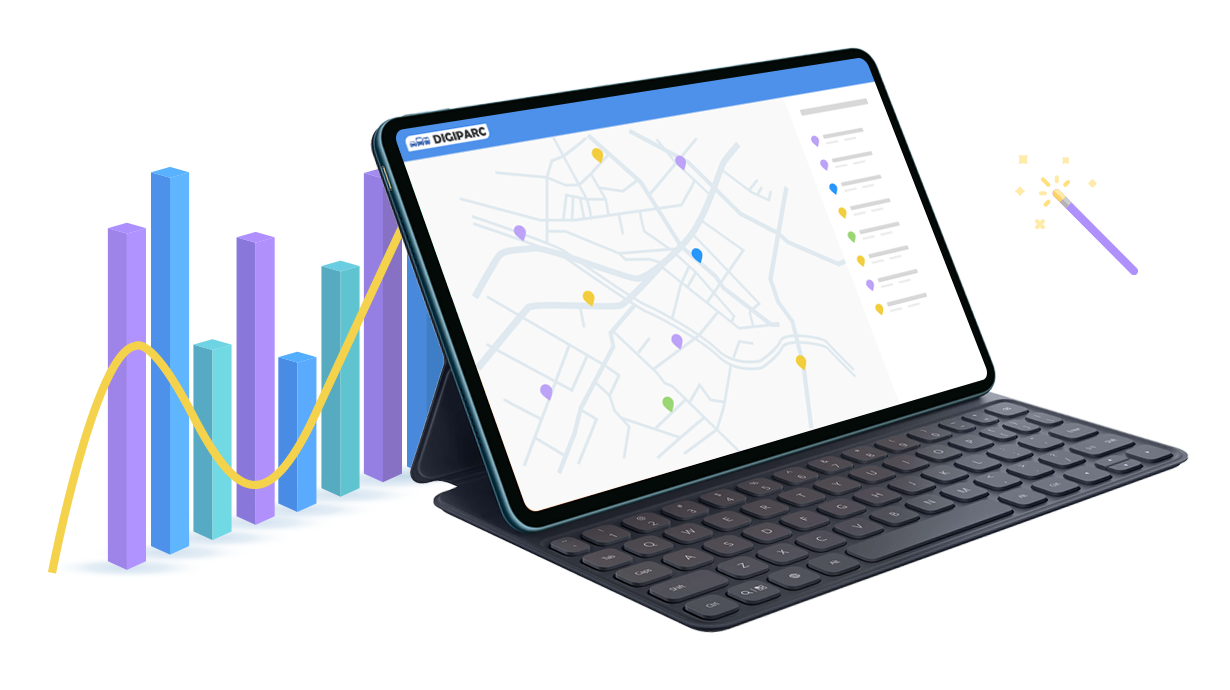
By using fleet management software, businesses can identify the most efficient routes and optimize schedules to reduce travel time and costs.
Monitoring and reporting:
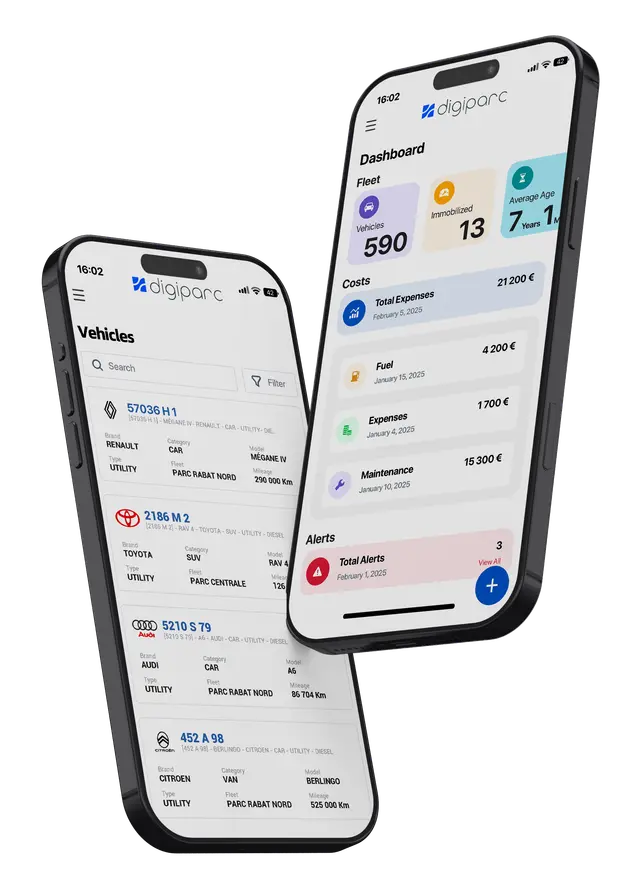
Fleet management software can provide real-time tracking of vehicle location and usage, as well as detailed reporting on performance and expenses. This can help fleet managers identify opportunities to reduce costs and improve efficiency.
In today's competitive business environment, effective fleet management is more important than ever. By investing in the right tools and strategies, businesses can reduce costs, improve customer service, and increase security and productivity. It is therefore necessary to give due importance to fleet management in order to run a business successfully.