Published August 25, 2021
Best practices for sustainable fleet management
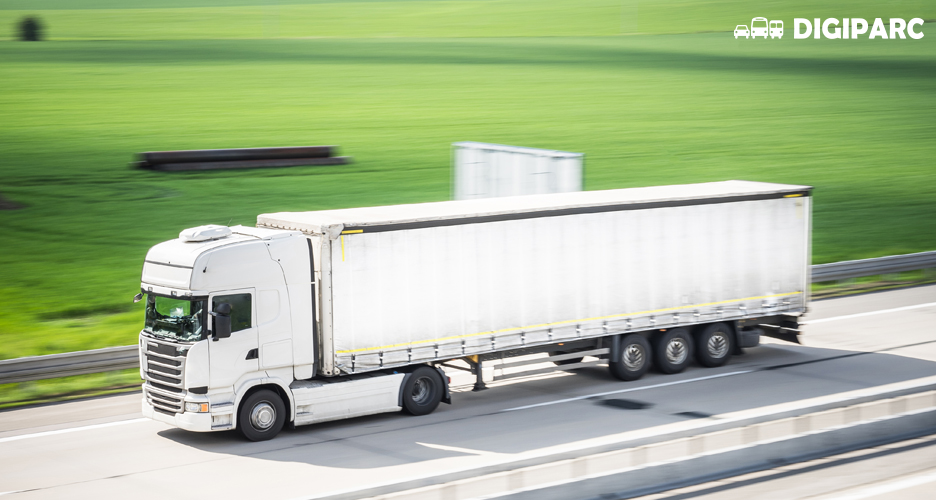
A sustainable fleet management strategy aims to reduce environmental impacts through actions such as more sustainable vehicles and fuels, operating with the lowest possible fuel consumption, and reducing road traffic generated by your fleet.
Discover good practices for sustainable vehicle fleet management to implement in your fleet:
Correctly adapt the size of your fleet
Defining the correct size of your fleet involves combining the needs, operations and mobility of your fleet with the requirements specified in its mission. As a fleet manager, to correctly size your fleet and make its management more sustainable, start by identifying and eliminating inefficient vehicles. The next step is to replace them, if necessary, with more efficient vehicles (which consume less fuel per km) and to use alternative fuels where available.
Analyzing fleet operations for proper sizing allows fleet managers to identify opportunities to save on vehicle travel and maintenance throughout their life cycle. It also helps reduce vehicle purchases, fuel consumption, maintenance and other operating costs.
Reduce the number of kilometers traveled
For more sustainable fleet management, companies can implement strategies to reduce the number of miles traveled. This way, they can avoid unnecessary trips that contribute to gas emissions into the environment, vehicle wear and tear, excessive fuel consumption and time spent traveling that could be used for other tasks.
Strategies to reduce mileage traveled:
- Analyze the need for travel (for example, replacing some in-person sales force visits with online meetings or phone calls);
- Consolidate routes and trips to eliminate duplicates;
- Provide passenger transportation for company staff for high-use journeys;
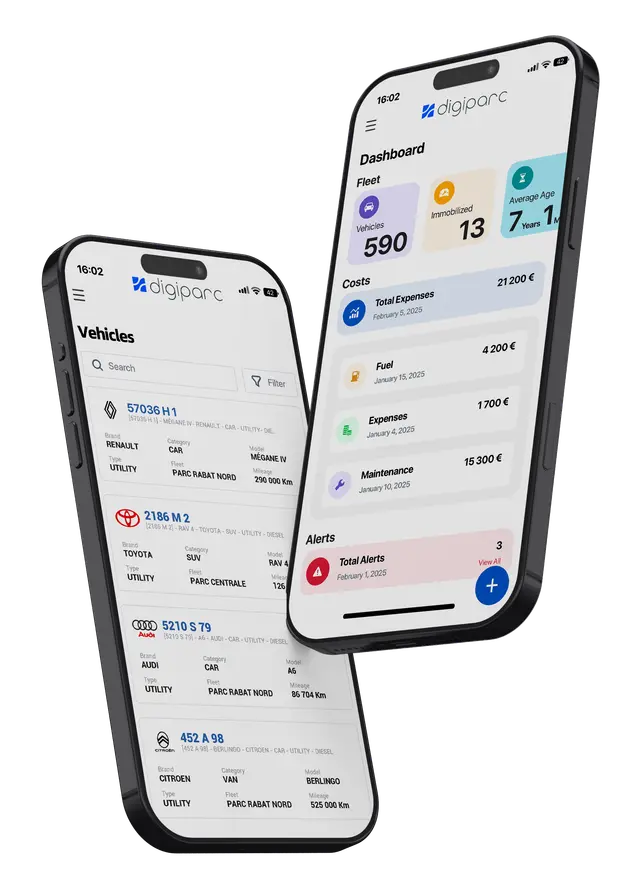
- Optimize the duration and distance of deliveries using a fleet management system, for example digiparc, the leader in fleet management solutions, which allows you to have a more efficient fleet.