As a fleet manager, you have a lot of data at your fingertips regarding your drivers and assets. How you leverage this data ultimately determines the success of your fleet, but determining which data to track closely can be a challenge. To help you prioritize, we've compiled the most important fleet metrics you should be tracking.
Inspection results
Daily vehicle inspection reports keep fleets compliant and alert managers to vehicle issues, but they are also a key part of understanding the health of your assets.
With fleet management software, you can view failure summaries that provide a high-level overview of your most common inspection failures. Seeing problem patterns in your fleet can help you improve preventative maintenance strategies and reduce fleet downtime.
Preventative maintenance practices
Preventative maintenance is one of the best ways to extend the life of your assets and save on costly repairs. Implementing a PM schedule allows you to track and analyze all routine maintenance.
Fuel management
Fuel is one of the largest fleet expenses, so it's essential to closely track usage and expenses. Having a system to monitor and calculate fuel costs and consumption in real time can benefit your fuel management process.
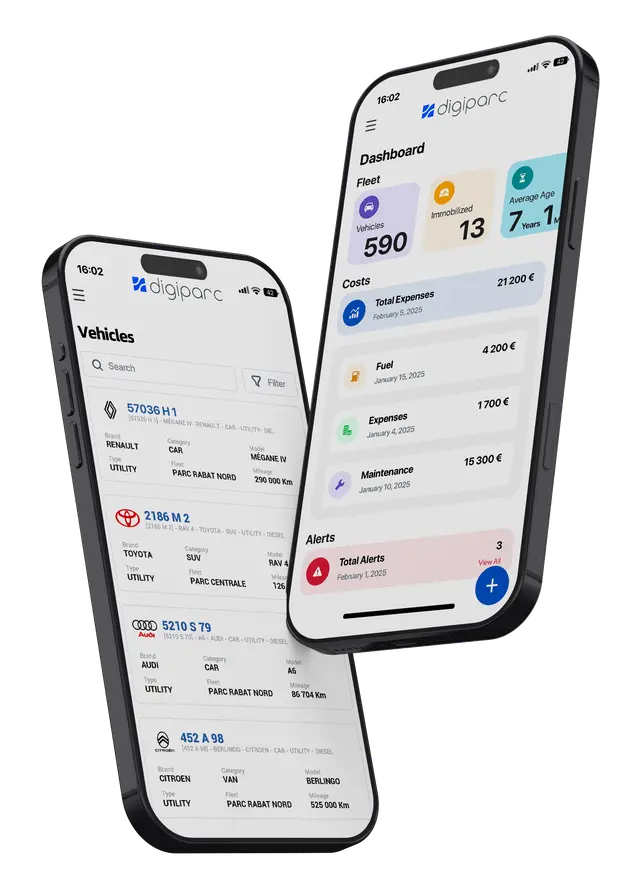
Fleet management software helps you understand your fuel economy by automatically determining cost per mile to predict future expenses. Real-time cost visualization helps optimize financial allocation.
Manually tracking fuel consumption is a poor use of time and receipts are often lost by drivers. With fleet management software, it's easy to log fuel entries into the software to eliminate hours of data entry.
Total Cost of Ownership
Perhaps the most important metric you should track is your fleet’s TCO.
It’s one of the most difficult aspects to track and manage, but knowing your fleet’s TCO allows you to confidently make data-driven decisions about your business.
Fleet management software calculates TCO from an aggregate of your fleet data. A breakdown of your fleet expenses helps you understand your return on investment (ROI). It also helps determine strategies for preventive maintenance, vehicle replacement, and purchasing or leasing future vehicles.
Asset usage
Investing in a fleet isn't cheap, so it's essential to get the most out of your assets. Monitoring your assets will help you increase your return on investment and maximize their lifespan.
Tracking average hours of use or miles per day not only keeps you on time with preventative maintenance scheduling, it also helps you maintain a sustainable fleet size.
Vehicle replacement
Without a doubt, replacing a vehicle is one of the most daunting tasks of a fleet manager.
Sometimes vehicles stay in service longer than they should, causing asset performance to decline while operating costs rise.
Tracking fleet metrics like odometer readings, history, and TCO can help decide if a vehicle needs to be replaced. Using fleet software allows you to make the right decisions at the right time.
Parts and inventory
If you handle in-house maintenance, you need to have the right tools to minimize vehicle downtime. Tracking your parts inventory helps prevent out-of-stocks and reduces unnecessary inventory costs.
With parts accounting for more than a third of vehicle maintenance costs, controlling inventory levels is crucial to your fleet management system. Tracking part quantities in an online parts database provides insight into part usage.
Driver assignment
Although fleet managers focus heavily on their assets, it is also important to track and manage your drivers. A driver management system ensures the safety and productivity of your drivers and assures you that your assets are in safe hands.
Productivity Technician
When thinking about repair costs, it's important to understand the impact that asset downtime can have on your budget. Technician productivity is crucial to getting vehicles back on the road and managing expenses.
Tracking maintenance through fleet management software allows you to stay informed about the length of vehicles in the workshop and work in progress.
Performance measures
We've discussed a variety of fleet metrics, so it's important to compile these metrics to analyze overall fleet performance.
When reviewing reports in fleet management software, consider both real-time and historical data to spot trends and deficiencies in asset performance.