All posts
Published May 13, 2024
Published May 13, 2024


In the automotive industry, effective vehicle inventory management is crucial to maximize sales, reduce costs and improve customer satisfaction. Whether you are a dealer, manufacturer or reseller, a strategic approach to inventory management can make all the difference in your business success. In this article, we will explore best practices and strategies for optimizing vehicle inventory management.
1. Use of Inventory Management Systems:
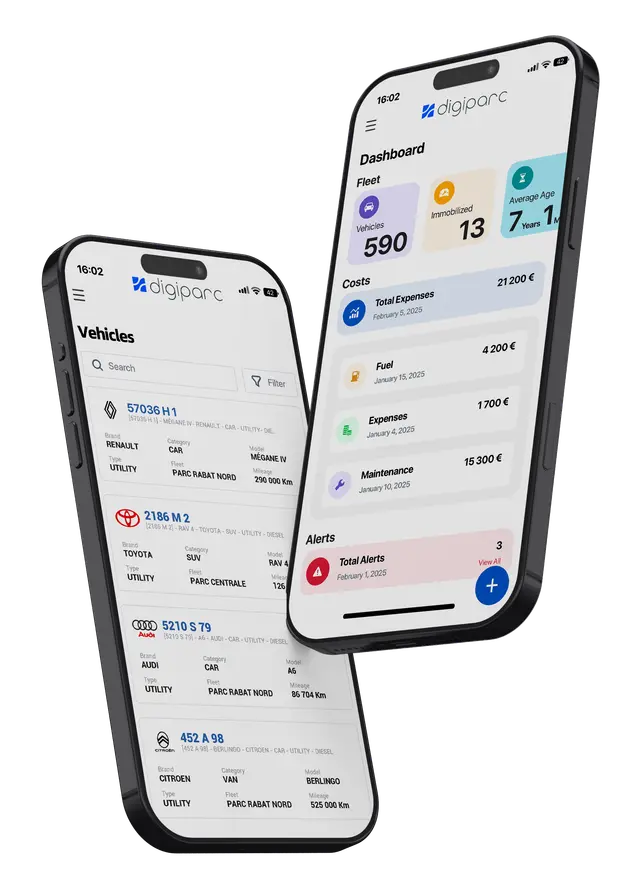
Vehicle inventory management systems are essential tools for effectively tracking and managing vehicles in stock. They allow businesses to have an overview of their inventory, track vehicle movements, manage pricing and promotions, and optimize replenishment processes. By investing in a robust, user-friendly inventory management system, businesses can improve their operational efficiency and make informed decisions based on accurate data.
2. Analysis of Inventory Data:
Analyzing vehicle inventory data is a key to identifying market trends, forecasting demand, and adjusting inventory levels accordingly. By reviewing historical sales data, customer preferences and vehicle performance, businesses can better understand their target market and tailor their inventory accordingly. This analysis also helps identify vehicles with low turnover or high profit margins, helping to maximize profits.
3. Dynamic Price Management:
Dynamic pricing management is an effective strategy to optimize revenue and drive sales. By adjusting prices based on demand, seasonality and competition, businesses can maximize profitability while remaining competitive in the market. Dynamic pricing tools can help automate this process by monitoring competitor prices in real time and automatically adjusting prices accordingly.
4. Optimization of Online Exposure:
In today's digital world, a strong online presence is essential to attract customers and generate sales. Businesses must maximize their online exposure by using vehicle sales platforms, websites and social media to present their inventory in an attractive and compelling manner. High-quality photos, detailed descriptions and user-friendly search tools can help attract the attention of potential buyers and generate qualified leads.
5. Collaboration with Industry Partners:
Collaboration with industry partners, such as local suppliers, manufacturers and dealers, can also help optimize vehicle inventory management. By building strong relationships with these partners, businesses can access broader inventory, earn preferential discounts, and benefit from joint marketing opportunities. This collaboration can help expand the options available to customers and improve operational efficiencies.
In conclusion, effective vehicle inventory management is essential for the long-term success of automotive businesses. By using inventory management systems, analyzing data, adjusting pricing, optimizing online exposure and collaborating with industry partners, businesses can maximize sales, reduce costs and improve customer satisfaction. By implementing these strategies and best practices, companies can remain competitive in a rapidly changing automotive market.