Published August 3, 2020
Some practices for controlling and tracking stock levels and spare parts
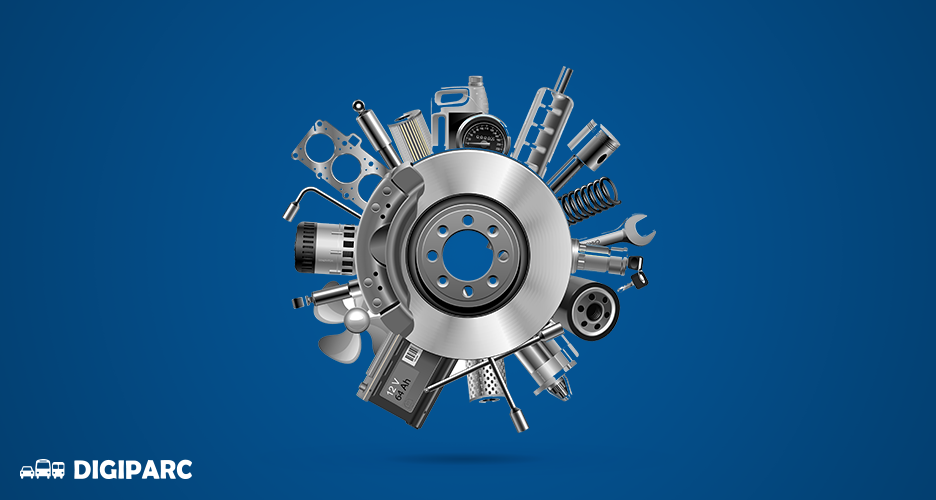
For fleets, poor inventory management processes waste time and money in several ways. With repair costs increasing, implementing inventory management practices can reduce the risk of additional expenses.
Ineffective inventory management can eat up capital that could have been better spent in other areas within your business, thus it can cause a drop in productivity through increased downtime which will have a bad impact on your bottom line.
Some signs of poor inventory management
These above points are important which your inventory management software must take into consideration in order to control and track spare parts
- Increased parts costs due to lack of visibility and inventory control.
- Reduced workshop productivity due to unnecessary time spent searching for parts.
- The non-traceability of store exit, entry, transfer and return vouchers.
- Reduced asset utilization due to time spent searching for parts, increasing downtime.
Implement simple practices
Bad inventory management practices and their consequences are relatively easy to remedy.
We examine proven approaches and tactics to optimize inventory management processes:
1. Organize your parts store
When frequently used inventory is easy to access, technicians can become more productive. A well-organized stock inventory helps staff respond quickly to repair needs and avoid unnecessary downtime.
Good store tracking also helps identify slow-moving and obsolete parts that take up limited space and increase inventory costs.
2. Improving parts inventory visibility by implementing cost-effective purchasing practices
By eliminating poor inventory management practices, the right items and parts quantities are always available to meet maintenance and repair needs. Effective inventory planning also promotes efficient purchasing practices, reducing the need for those costly last-minute orders.
3. Train technicians and staff to ensure adequate and efficient inventory
When maintenance personnel and parts store managers have the knowledge to recognize which parts are moving quickly and need to be ordered more frequently, inventory needs can be met more efficiently. However, integrating parts inventory into internal training programs can help topics develop these skills.
Streamline inventory with software to simplify stock management processes
Using an inventory management solution helps improve fleet profitability and has many measurable benefits in terms of reducing maintenance costs, minimizing tedious administrative tasks and increasing employee productivity.