1. How thorough are your inspections?
Inspections are your first line of defense in preventative maintenance because they allow you to examine the health of each of your assets on a day-to-day basis, helping you spot potential issues before they take a vehicle out of service. Ideally, all vehicles and heavy equipment should have a thorough operational check before and after each work day, and these records should be passed on to management to maintain for logging and compliance purposes.
But if your current procedures involve paper forms for completing inspections, you risk missing key indicators of potential problems. Paper forms can be cumbersome and time-consuming for operators to complete, but also easy to lose, meaning you could miss out on vital information you need to keep your assets running and ready to go in the event of a natural disaster.
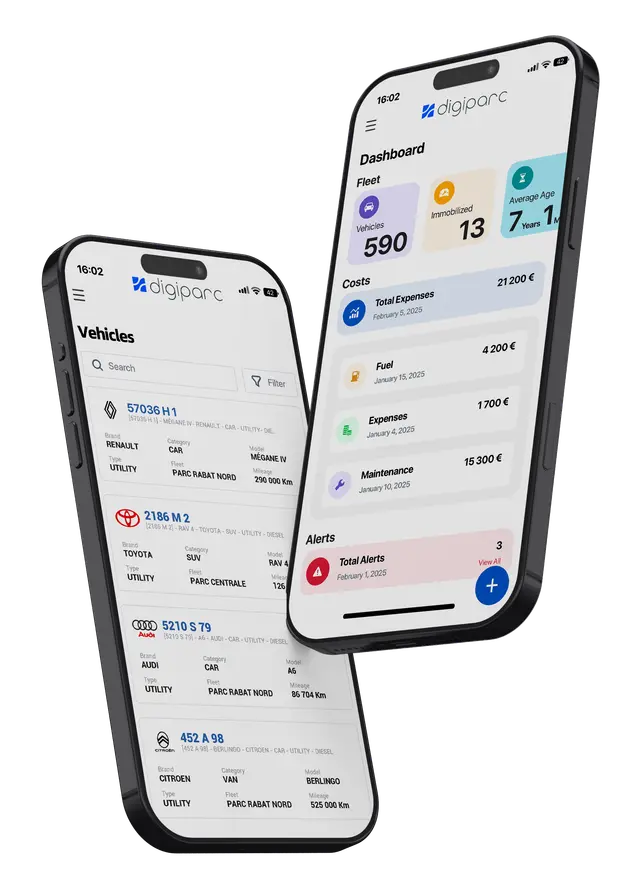
Using a digital solution like PDFs, or better yet, comprehensive fleet management software, can be a lifesaver when it comes to emergency preparedness and compliance. Electronic driver vehicle inspection reports can be completed from a phone or tablet and immediately stored and sent to you as soon as they are completed, and you can even automate the generation of work orders as soon as a driver marks a failed inspection item, meaning your vehicle is in and out of the shop faster and will be ready to go when you need it most.
2. Do you follow a regular maintenance schedule?
Inspections are not the only way to detect problems before breakdowns. Making sure you follow OEM guidelines for preventative maintenance is an important aspect of ensuring your vehicles will always be ready to go when you need them.
Good preventive maintenance is the determining factor in the longevity of a vehicle. The more strictly you follow a preventive maintenance program, the less likely you are to encounter problems like blown tires or broken belts on the job. Fleet maintenance software can help you assign a specific schedule to any of your assets and send notifications when it's time to perform oil changes or replace brake pads.
Most importantly, you can use fleet management software to track each vehicle's mileage from your telematics data, allowing you to keep tabs on your asset utilization in the event of a disaster and space out vehicle maintenance schedules so you never have too many vehicles at one time.
3. Do you communicate effectively with your workshop?
One of the biggest obstacles to rapid maintenance response is effective communications with technicians. Whether you work with a third-party provider or an in-house workshop, fleet management software can help you streamline communications to minimize downtime for maintenance tasks.
The software can bridge the gap between technicians and management by recording all work order information in the app, meaning technicians can easily see reported issues and fleet managers can take a look at recommended services and their costs and approve them on the spot, without excessive documentation or phone calls. The ability to submit rapid approvals and communicate with workshops in real time can significantly reduce vehicle downtime, meaning you are more likely to have a full fleet in service when you need to respond to natural disasters.
Also be careful not to put all your eggs in one basket; maintain good relationships with multiple service providers so you never find yourself in an awkward situation.