Published November 11, 2022
Gestion de la flotte de véhicules : 5 conseils pour optimiser les coûts
Reducing the costs of an automobile fleet involves five levers: measuring TCO, controlling fuel, structuring maintenance, adjusting the size of the fleet and planning renewal. Here's how to prioritize them.
Five levers to optimize your fleet costs
Optimizing fleet costs does not involve cutting everywhere: an effective approach begins by identifying the items that weigh the most on the budget, then choosing one or two priority levers depending on the state of the fleet. This checklist guides action; it completes a more in-depth reading of thetotal cost of ownershipwhen the diagnosis remains unclear.
1. Start from a TCO reading of the park
Before reducing an expense, you need to know where it is located. A TCO reading by vehicle or by fleet category highlights the items that drive the overall cost upwards — without confusing the purchase price and the real cost over time. This is the starting point for deciding where to act first.
To consolidate this base, see the guide ontotal cost of ownership.
2. Control fuel expenses
Fuel remains a variable cost: it follows use, driving and sometimes differences in consumption that are difficult to spot without regular monitoring. Monitoring consumption and cost per kilometer makes it possible to identify vehicles or uses that are drifting, before the bill accumulates.
To deepen thefuel expense tracking, a dedicated article details good piloting practices.
3. Preventive structural maintenance
Well-planned preventative maintenance limits unplanned downtime and costly repairs. Planned recalls, a history per vehicle and maintenance handled on time preserve the availability of the fleet — and prevent the maintenance station from slipping away in an emergency.
To structure this approach, see how to refine yourpreventive maintenance plan.
4. Adjust fleet size
Little or poorly used vehicles continue to generate fixed costs and a loss of value, without producing the expected use. Comparing actual usage to workload sometimes makes it possible to consolidate the fleet, reallocate assets or sell those that no longer serve the operation.
To go further on sizing, read howcorrectly size your fleet.
5. Plan vehicle replacement
Postponing a renewal may seem economical in the short term; In the long term, a vehicle that is costly to maintain or has low availability increases the cost of use. Anticipating replacement based on usage, performance and the actual condition of each asset helps calibrate investments.
To formalize this approach, see how to develop avehicle replacement plan.
Move from list to action
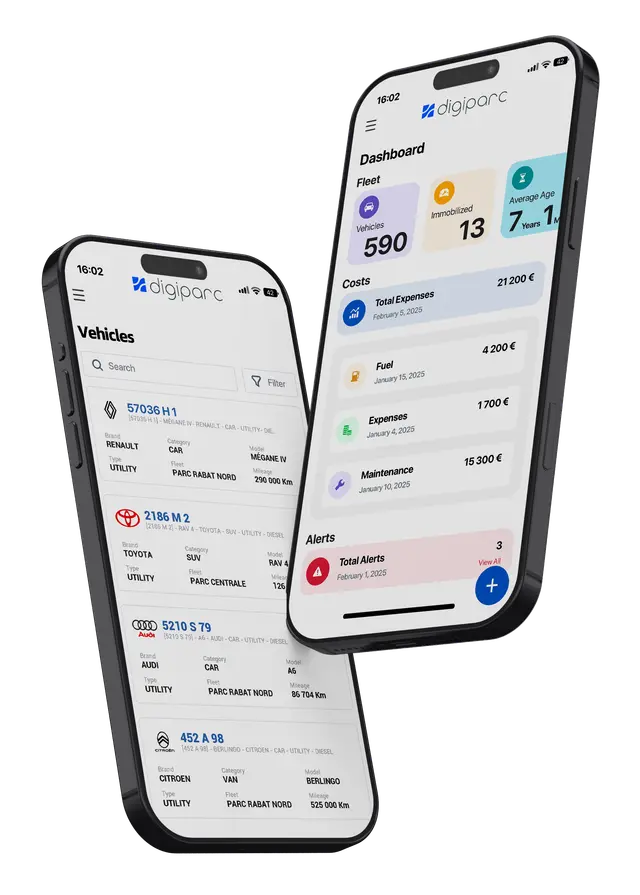
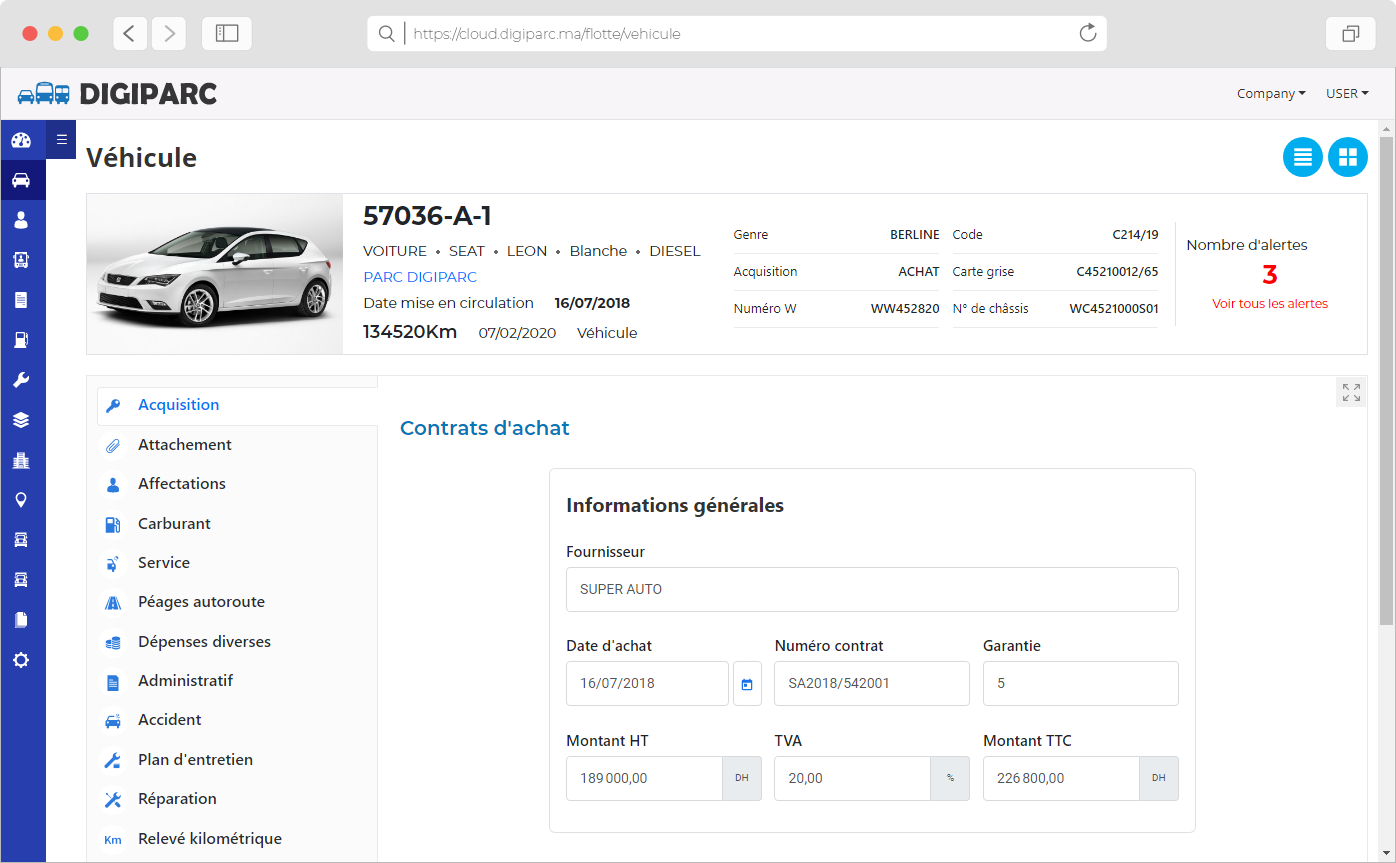
These five levers become more effective when cost and usage data are linked to the same vehicle reference system. Without this centralization, each position remains difficult to compare and fleet optimization priorities are decided by feeling.
Afleet management softwareallows you to link consumption, maintenance, contracts and usage to manage these levers in a consistent manner. For an order of magnitude of possible savings depending on the size of the fleet, you canestimate the impact on fleet costs.